
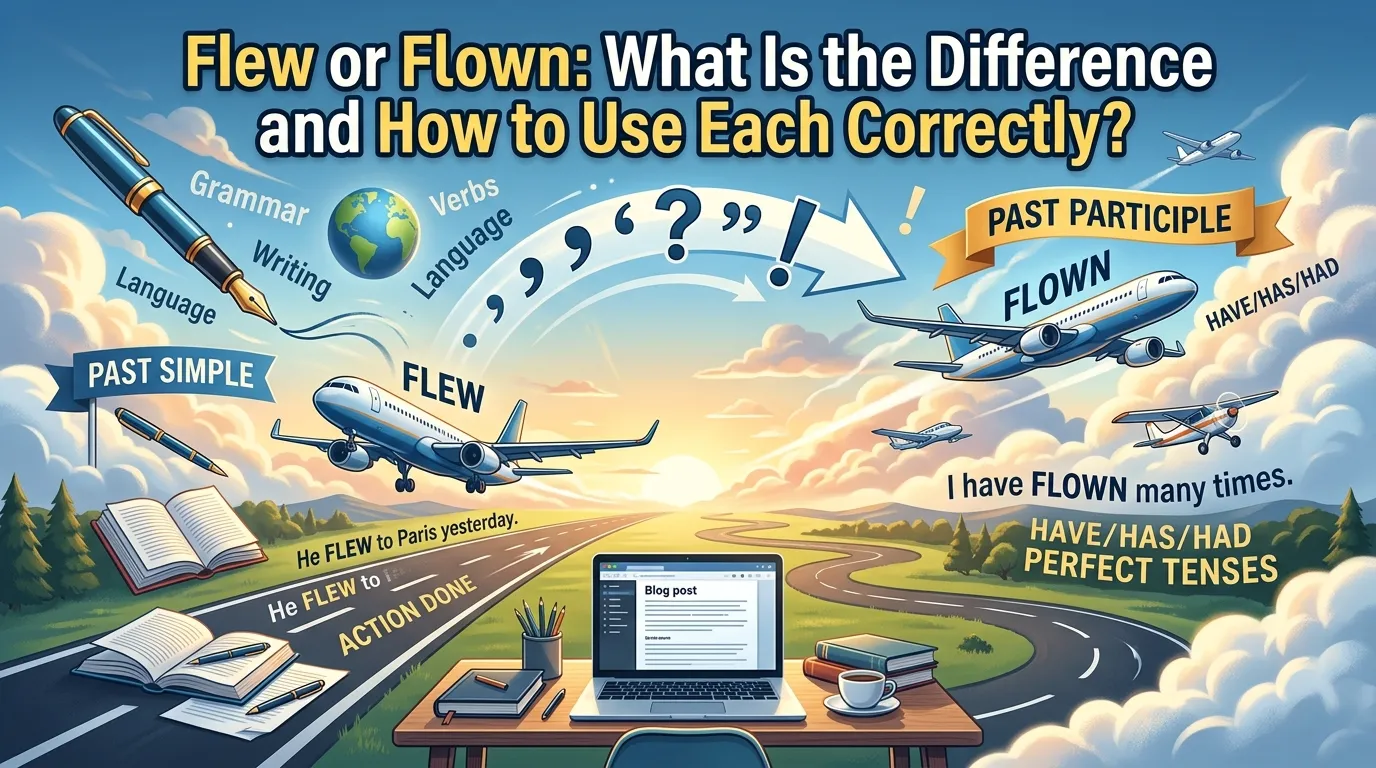
Flew or Flown: What Is the Difference and How to Use Each Correctly?
If you have ever wondered whether to say “flew” or “flown,” you are not alone. These two words come from the same verb, fly, but … Read More
If you have ever wondered whether to say “flew” or “flown,” you are not alone. These two words come from the same verb, fly, but … Read More

If you are wondering whether the correct word is segway or segue, you are dealing with two words that look and sound surprisingly similar but … Read More

Gluing vs. glueing is a common spelling question, especially when writing about crafts, repairs, woodworking, school projects, or manufacturing. Both forms can appear in English, … Read More
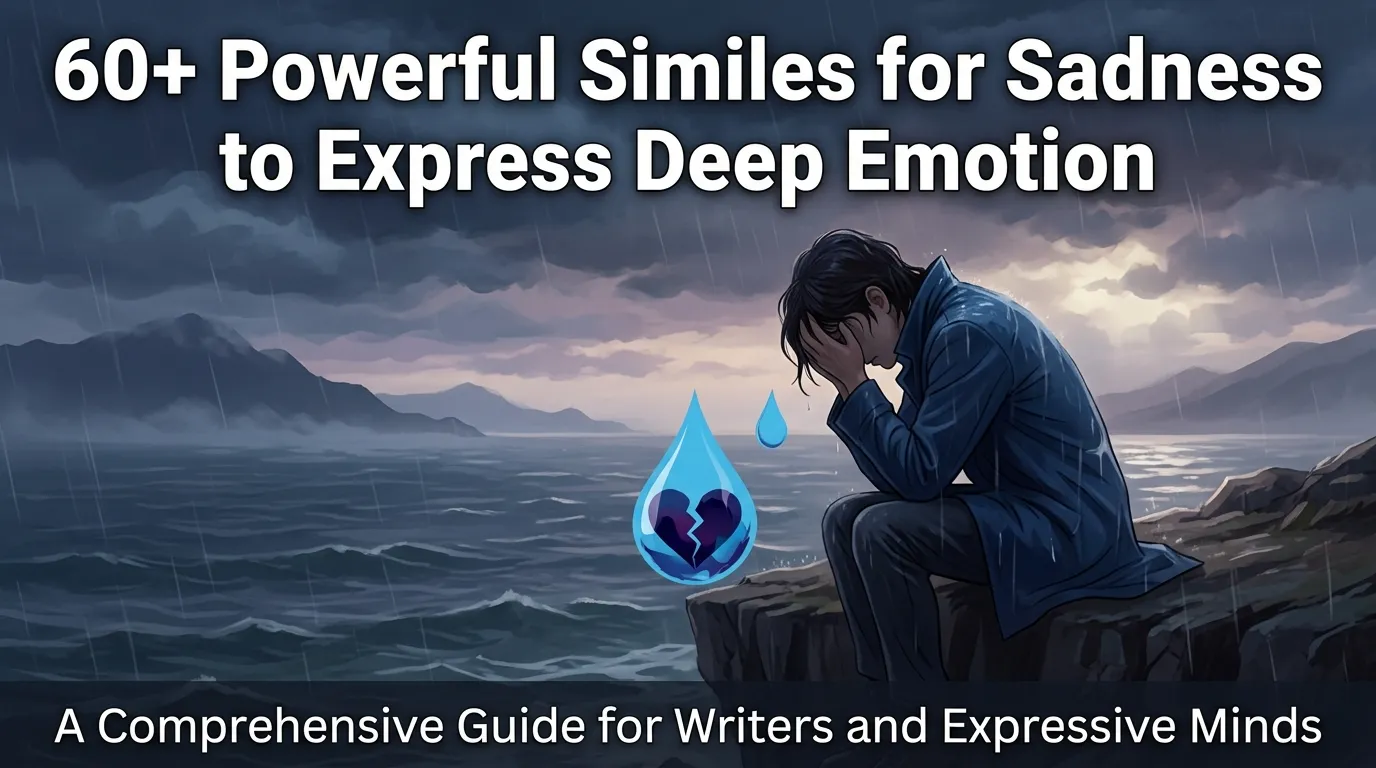
Sadness can be difficult to describe because ordinary words often cannot capture its depth. Powerful similes for sadness help turn an invisible feeling into something … Read More

Red is one of the most vivid colors in language. It can suggest passion, danger, anger, beauty, energy, heat, courage, or intensity, depending on how … Read More

Awkward moments can be difficult to describe with ordinary language. Sometimes a person feels uncomfortable, a conversation becomes strangely quiet, or a situation suddenly turns … Read More
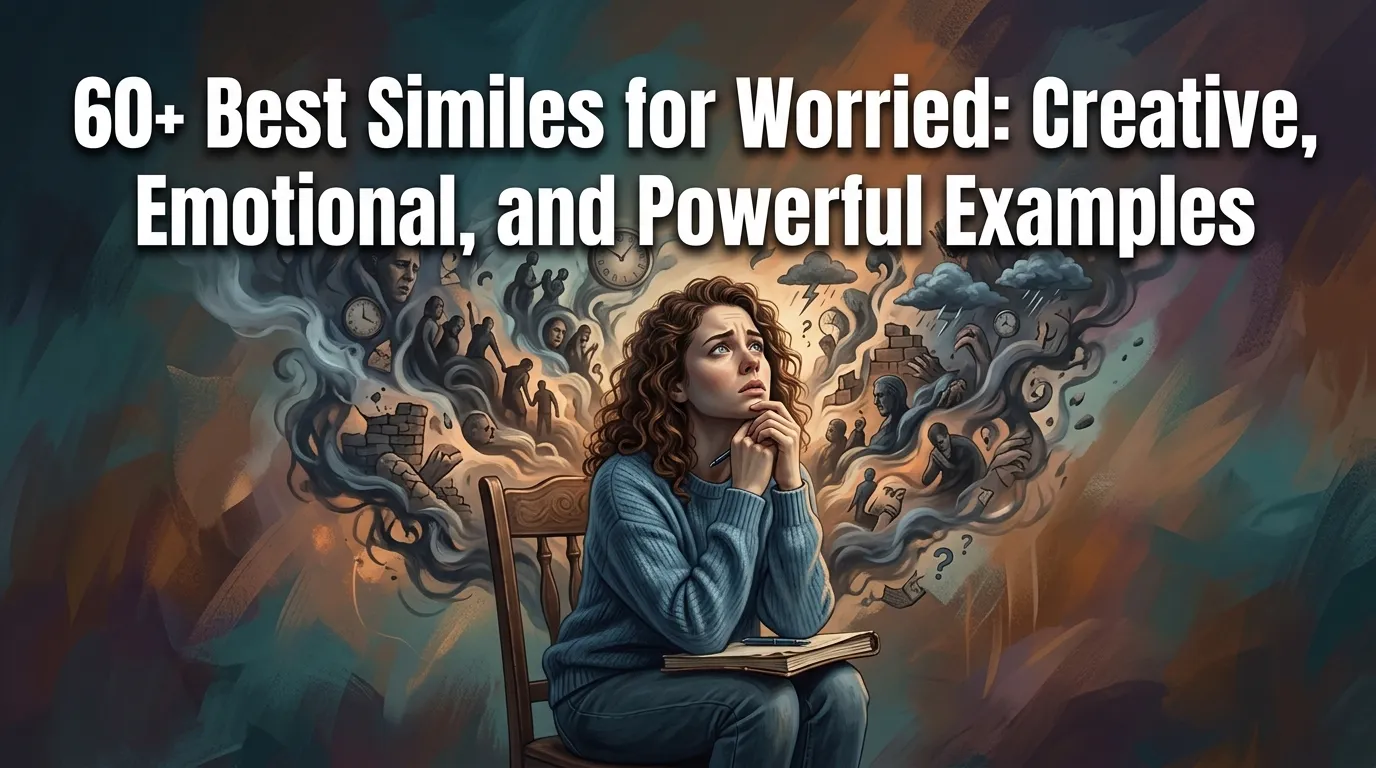
Worry can be difficult to describe with ordinary words. Saying someone is worried tells the reader what they feel, but a vivid simile can show … Read More
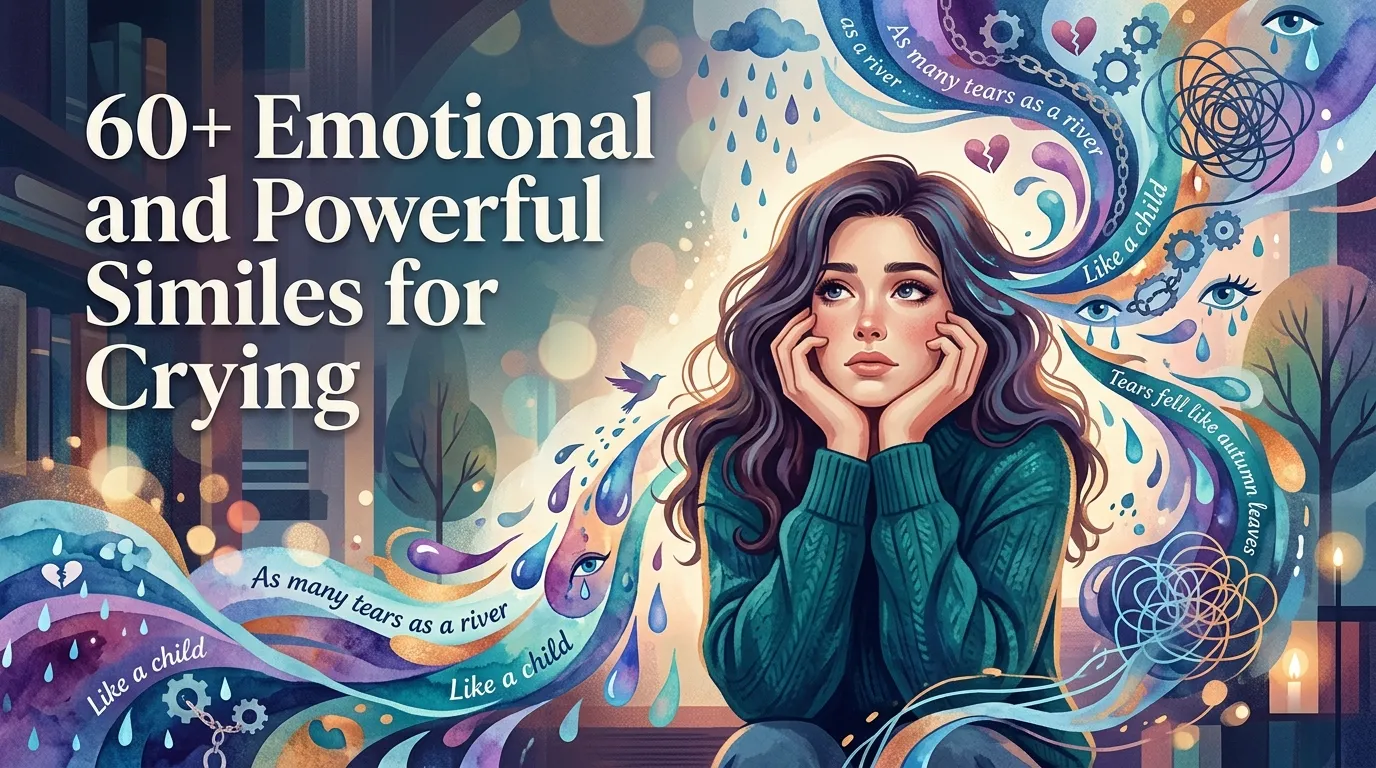
Crying can express grief, relief, joy, fear, frustration, loneliness, or overwhelming emotion. Sometimes the simple statement “she cried” does not capture the depth of the … Read More

The words shown vs. showed often cause confusion because both come from the verb show. They are related forms, but they do not perform the … Read More

Has run vs. has ran is a common English grammar confusion, especially when talking about actions that started or happened in the past. Both forms … Read More