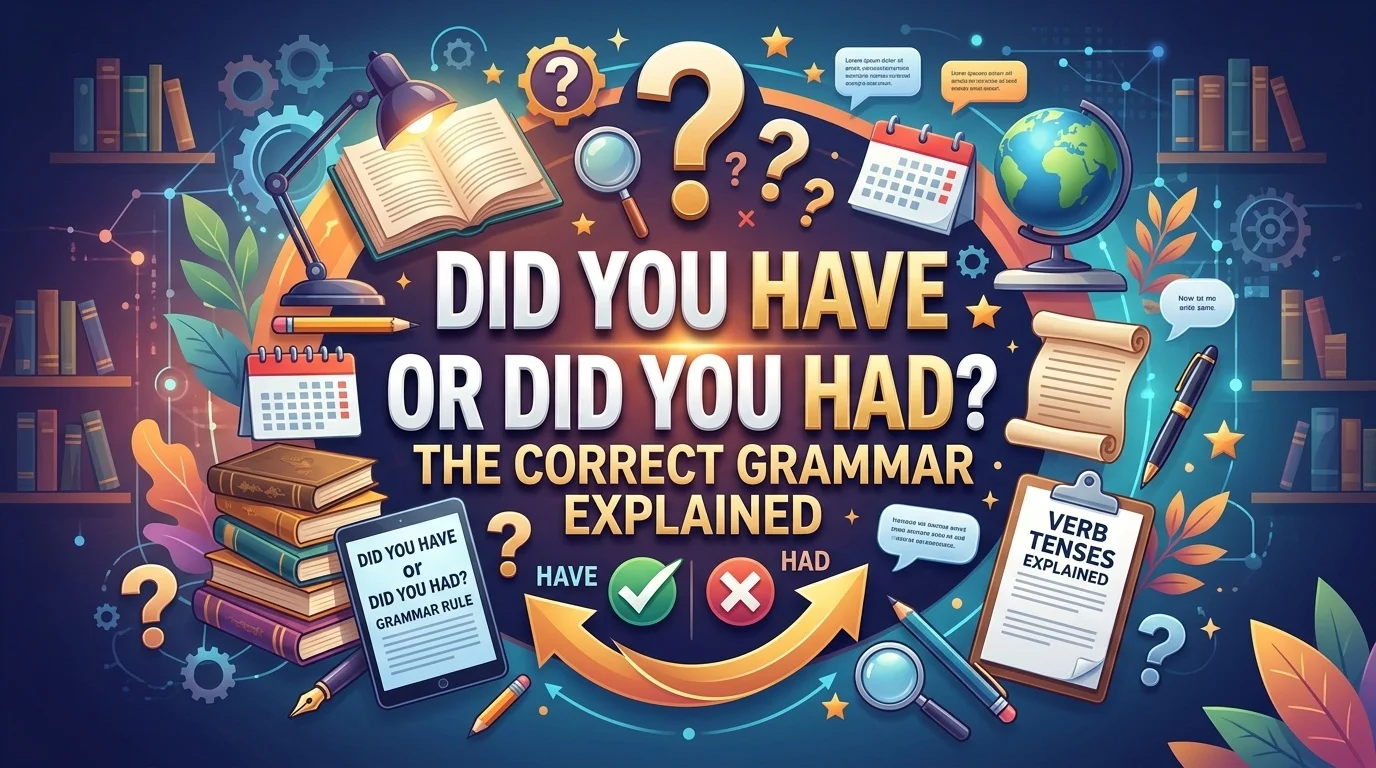
Did You Have or Did You Had? The Correct Grammar Explained
When asking about the past, choosing between “did you have” and “did you had” can be confusing. Both contain words associated with the past, but … Read More
When asking about the past, choosing between “did you have” and “did you had” can be confusing. Both contain words associated with the past, but … Read More
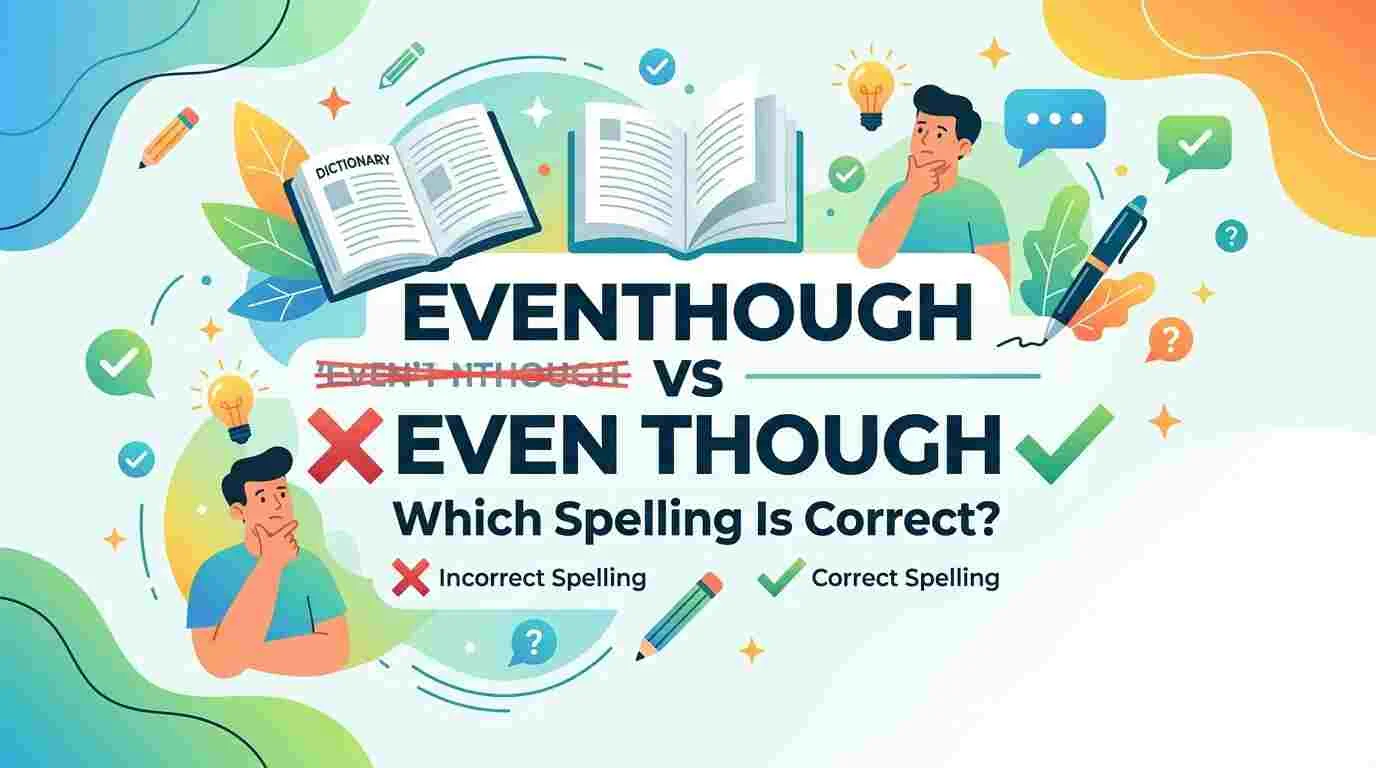
Eventhough vs even though is a common spelling confusion in English. The two forms look almost identical, but only one is considered standard in modern … Read More
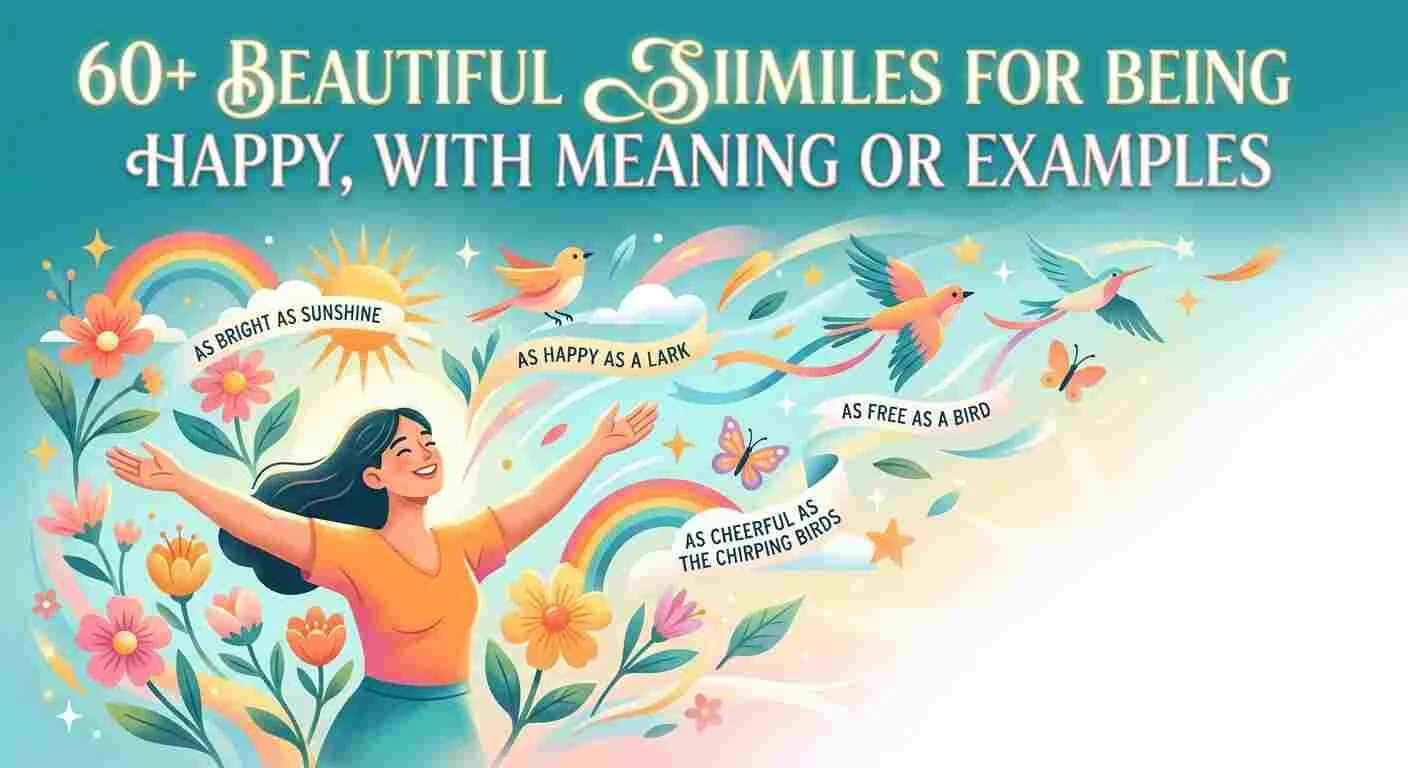
Happiness can be difficult to describe with ordinary words. Saying someone is happy tells the basic idea, but a vivid simile can make that feeling … Read More
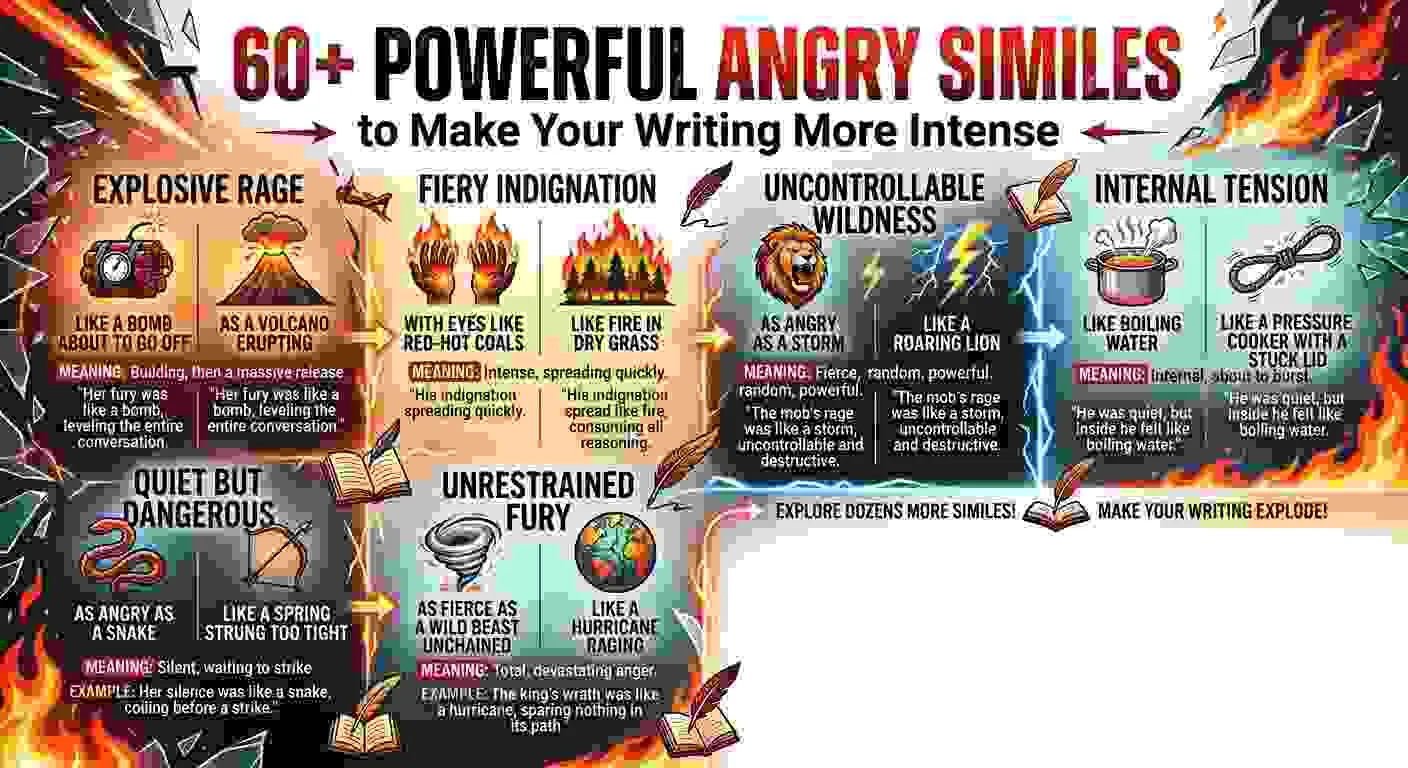
Anger can be difficult to describe with ordinary words. Saying someone was “very angry” tells readers the emotion, but it does not make them feel … Read More
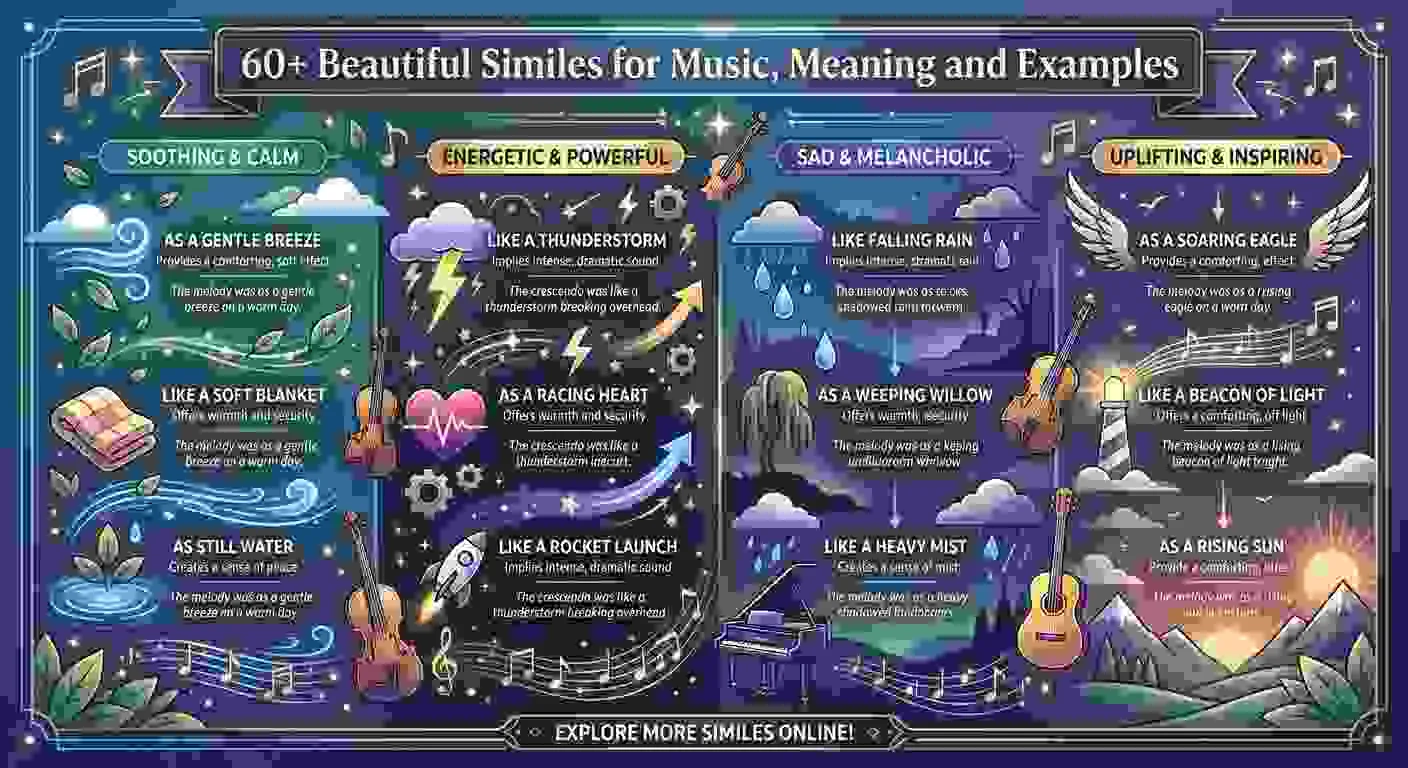
Music can express feelings that ordinary words sometimes cannot capture. A beautiful melody may feel peaceful, emotional, magical, powerful, or even unforgettable. That is why … Read More
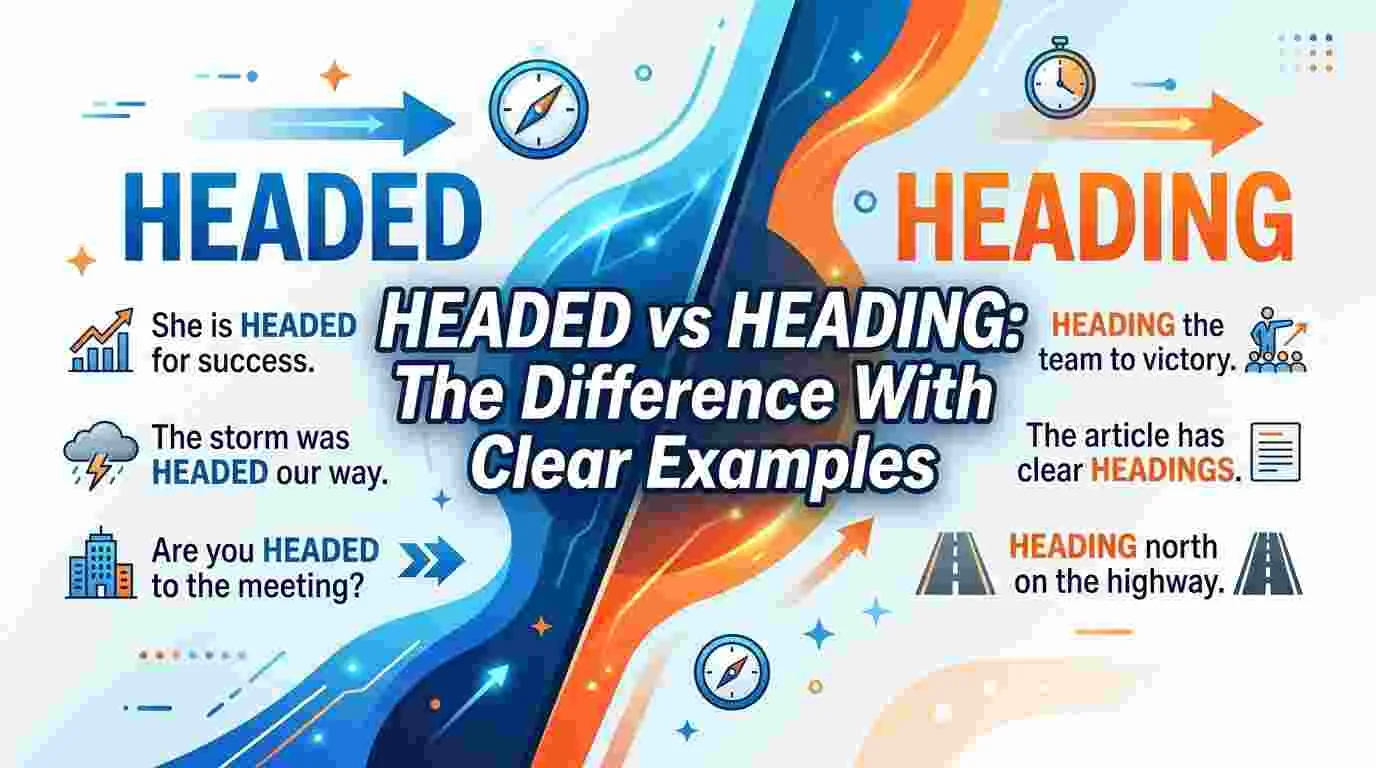
The words headed and heading look similar, but they perform different jobs in English. Both come from the verb head, which can mean to lead, … Read More
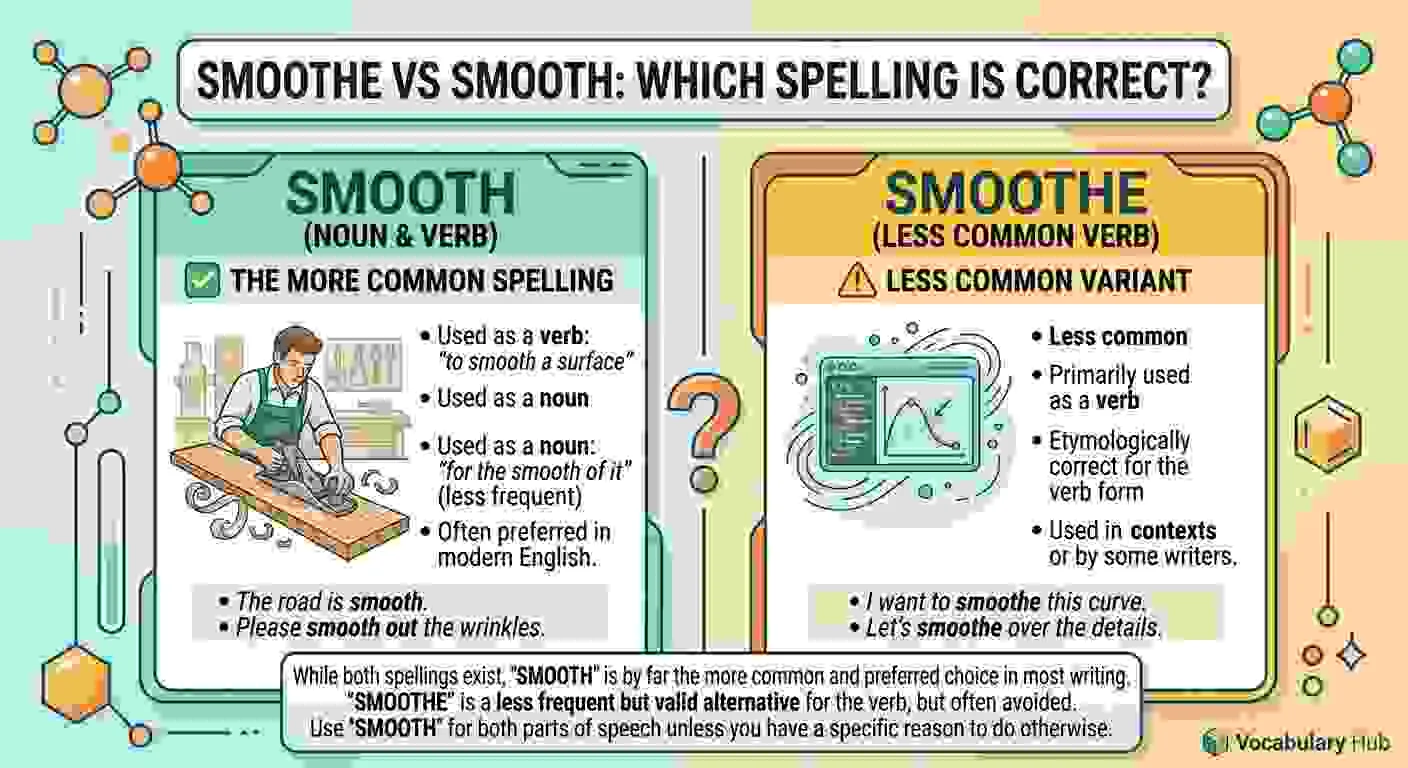
When comparing smoothe vs smooth, the choice is usually much simpler than it first appears. Smooth is the standard and correct spelling in modern English. … Read More
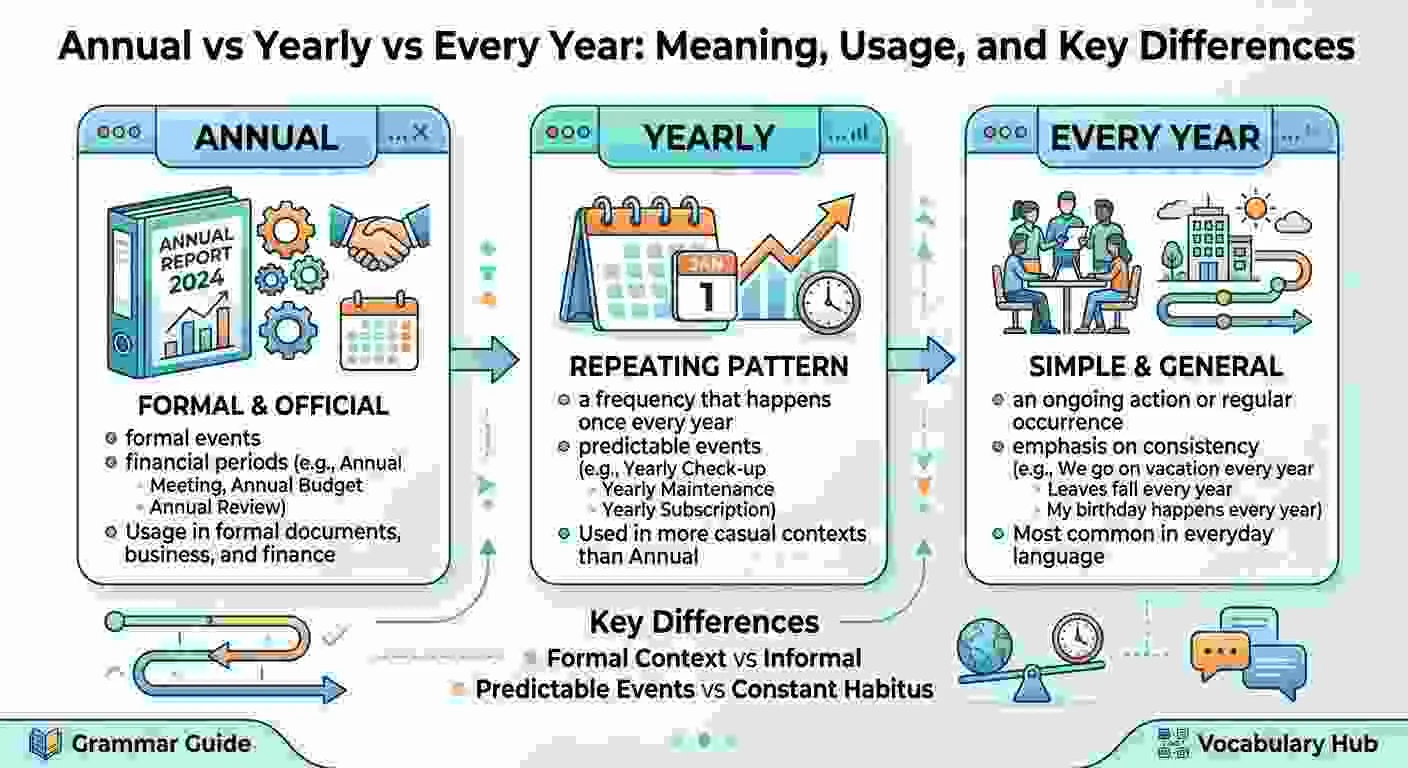
When comparing annual vs yearly vs every year, the three expressions can seem interchangeable. In many everyday sentences, they communicate the same basic idea: something … Read More

If you have ever wondered about screen vs monitor vs display, you are not alone. These three words are often used interchangeably, especially when people … Read More
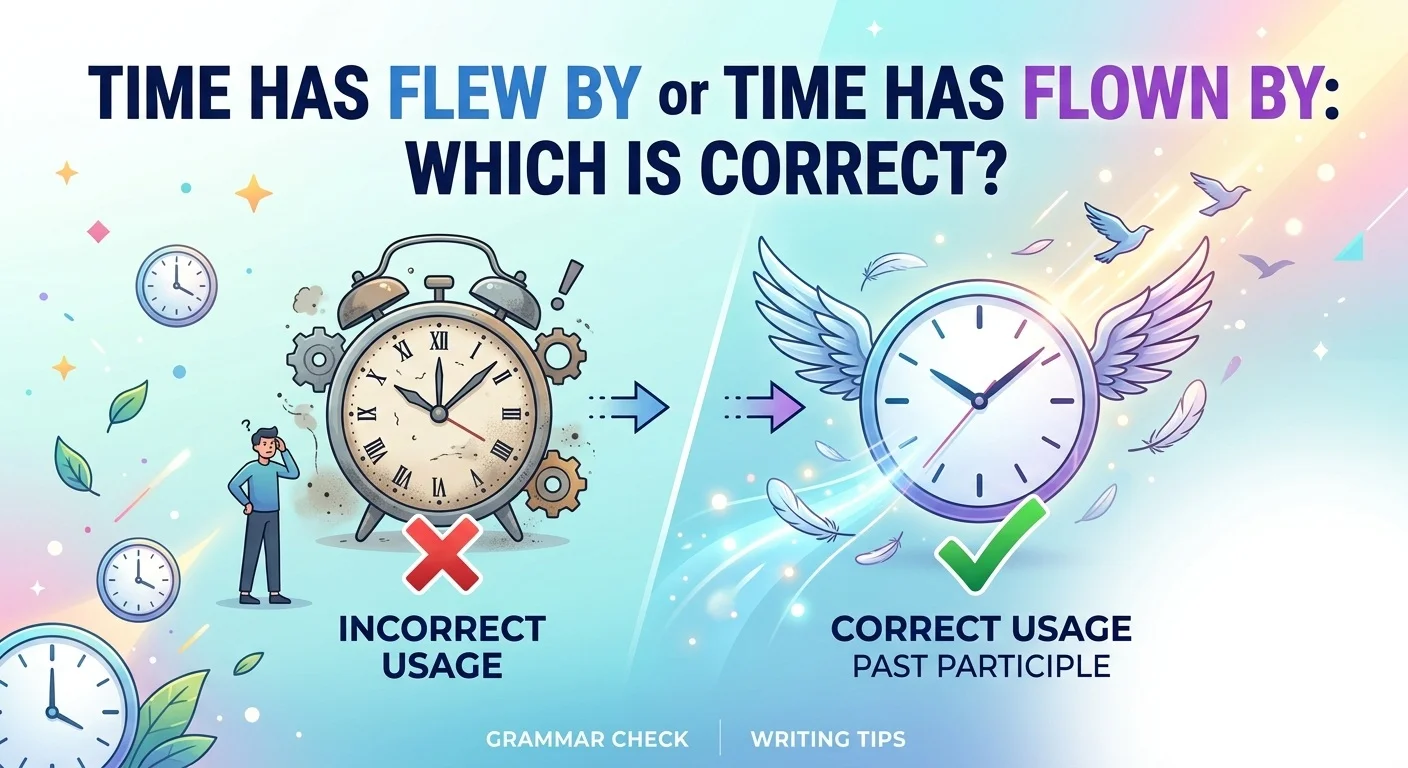
Time has flown by is the correct expression. Time has flew by is grammatically incorrect in standard English. The confusion comes from the fact that … Read More